A cracked windshield has a way of turning your day on its head. You hear the pop from a flying pebble, watch a hairline crack spider across the glass, and suddenly every errand becomes a calculation: can I safely drive to work, pick up the kids, make it to the airport? The clock starts ticking the moment the glass is compromised, especially if the damage is in your line of sight or the crack is growing with temperature swings. The question that matters is simple and practical: how quickly can you get an emergency windshield replacement, and what can you do to make that clock run in your favor?
I’ve worked around auto glass for years, from helping customers get same‑day appointments to crawling under a dash to unplug a camera before recalibration. Speed depends on a handful of predictable variables: the severity of the damage, the make and model of your vehicle, where you are, the time of day and week, the presence of advanced driver assistance systems, your willingness to travel, and a shop’s inventory. When you understand these levers and prepare a few details in advance, a replacement that might take days can often be done within hours.
What “emergency” means in auto glass
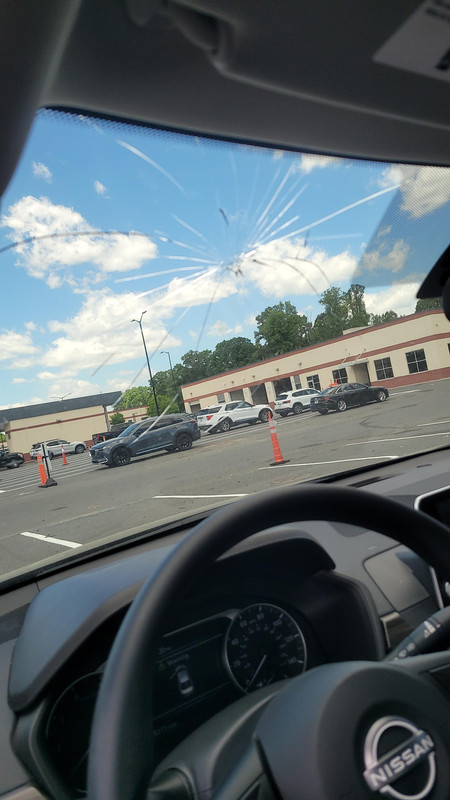
Not all glass damage demands the sirens-and-lights treatment. A small chip in the upper passenger side of the windshield is inconvenient, but a trained tech can often repair it instead of replacing the whole pane. An emergency is anything that compromises structural integrity or driver visibility: a crack longer than 6 to 8 inches, damage within the sweep of the driver’s wiper, shattered glass, or a break that’s spreading across the glass with temperature changes. If your state has inspection rules, some are explicit. Any line of damage in the driver’s direct line of sight, often a rectangle roughly a foot wide centered on the steering wheel, triggers a fail. In heavy rain or on sun-glared days, that line of sight becomes more than a policy issue.
There is also a safety layer that many drivers don’t realize. Modern windshields contribute to the vehicle’s structural strength. The glass, urethane adhesive, and the pinch weld around the frame form a bonded unit that helps the roof resist crushing in a rollover and supports the timing of the front airbags. A badly fractured windshield can undermine both.
The fastest realistic timelines
If you call around the moment the damage happens, here is what you can realistically expect based on experience with busy metro shops, suburban mobile units, and small-town operations:
- Same day: Possible when your vehicle is a common model, the shop has your glass in stock, you are flexible on location, and the job does not require post-install calibration. Think late-model sedans, compact SUVs, and half-ton pickups. You may have to accept a window like “between 1 and 4 p.m.” and meet a mobile tech at your office parking lot. Next day: Very common, especially when calibrations are involved or if your glass needs to be delivered from a nearby warehouse. Morning appointments book quickly; ask about late afternoon slots. Two to three days: Typical for less common trims, heated wiper park zones that require a specific part number, acoustic and humidity sensors embedded in the glass, or rural areas where the distributor delivers on certain days of the week. Longer than three days: Happens with rare vehicles, grey-market imports, back-ordered parts, or when a storm has sent a wave of claims through the region. If a hail event just came through, be ready to wait.
Speed is seldom about how long it takes to physically swap the glass. The install itself often runs 60 to 120 minutes for the wrench work and cleaning. The real swing factor is part availability and whether your vehicle’s cameras and sensors need a calibration appointment. After installation, urethane adhesive needs time to set. Most premium adhesives are drive-away safe in 30 to 60 minutes at moderate temperatures, but a tech may recommend an hour or two if it is cold, humid, or windy.
What determines whether you get same-day service
In the shop, we can almost predict likelihood by two questions: what are you driving, and where will the work happen. That’s because inventory and logistics determine the schedule more than anything else.
Common vehicles get handled the fastest. If you drive a Honda Civic, Toyota RAV4, Ford F‑150, or a similar volume seller from the past few model years, your glass is probably on the shelf. Variations still matter: a rain-sensing mount, an acoustic layer, or a solar coating can change the part number. A shop will verify by VIN, which eliminates guesswork and keeps you from showing up for a part that almost fits but doesn’t. If you call with the VIN in hand, you trim minutes off the intake and avoid an “almost right” part that can set you back a day.
ADAS is the next fork in the road. Forward-facing cameras, lane departure sensors, adaptive cruise modules, and heads-up display zones complicate a fast changeout. Some vehicles need a static calibration with targets and patterns set inside the shop. Others need a dynamic calibration that happens on a road test with controlled speed ranges and lane markings. A few require both. If you need calibration, you can still get same-day service, but it often depends on shop capacity and technician certification. Many mobile units can replace the glass quickly in a parking lot but bring the vehicle to the shop for calibration immediately after. If that hop isn’t possible, you shift to next day.
Where you are also matters. In a major metro, large providers keep dozens of common windshields in local warehouses and run multiple deliveries daily. In outlying areas, a distributor might make a morning and an afternoon run, or even a Monday-Wednesday-Friday schedule. If you call just after a truck leaves, you may be waiting until the next run. Ask the scheduler when the next glass delivery arrives. I’ve seen people shave a full day by aligning their appointment with the distributor’s route.
Weather, surprisingly, plays into speed and quality. Urethane adhesive cures based on temperature and humidity. Most professional-grade adhesives have clear drive-away times on the label, often 30 minutes at 73°F and 50 percent humidity. On a cold January morning or a damp coastal day, the tech may extend the safe time before you can drive. That’s not the shop dragging its feet; it’s chemistry. Good shops follow FMVSS 212 and 216 safety standards on retention and roof crush performance. If you need to commute immediately after, ask for a fast-cure urethane. It costs more, but it keeps your day moving.
What you can do in the first ten minutes
There are a handful of details that turn a frantic call into a smooth appointment. Gather them before you pick up the phone or request an Auto Glass Quote online. The shop will ask for:
- VIN, year, make, model, and trim. The VIN is on your insurance card, registration, or the plate at the base of the windshield. Features attached to the glass, such as a rain sensor behind the mirror, a camera for lane-keep, a heated wiper area, or a heads-up display. Snap a photo of the mirror area if you are unsure. Your location and flexibility. Can you bring the car in at lunch, or do you need mobile service at work? Insurance information if you plan to file a claim. Some carriers waive deductibles for glass, others do not. Timing constraints like a medical appointment, flight, or school pickup, which helps the scheduler prioritize.
Those five items help a dispatcher give you a realistic Windshield Quote fast. If you are comparing an Auto Glass Quote from multiple shops, ask each whether the price includes moldings, clips, the rain sensor gel pad if needed, calibration, taxes, and disposal fees. A too-low number sometimes means a surprise line item later.
Mobile replacement versus bringing the car to the shop
Mobile service exists for the days when you cannot rearrange your schedule. A trained mobile tech can replace a windshield in your driveway or office lot with tools that live in a van. This is typically the fastest route for common vehicles without static calibrations.
Shops still matter for three reasons. First, static calibration rigs and level surfaces are mandatory for many ADAS systems. If your vehicle needs a target board calibration, it must happen in controlled lighting at a set distance on a known surface. Second, some vehicles with bonded moldings or extensive cowl removal are quicker on a lift with the proper trim tools. Third, weather can be a showstopper. Heavy rain, high winds, extreme cold, or blowing dust make it hard to ensure a clean, dry bonding surface.
A simple way to decide: if your car has a forward-facing camera and the service advisor says “static calibration,” plan on a shop visit. If your car is older, lacks sensors, or requires only a dynamic road calibration, mobile can likely handle it the same day. Many providers combine both: the mobile tech installs the glass at your location, you drive to the shop after the safe-cure time, and they run calibration while you wait.
The installation window and what happens during it
From a customer’s perspective, a same‑day Windshield Replacement appointment is an arrival window followed by a focused hour or two of work. The tech will protect the interior, remove wipers and trim, cut the old urethane, lift the old glass, prep the pinch weld, prime as needed, and set the new pane with a suction-lift. They will reinstall trim and moldings, hook up rain sensors, reattach the rearview mirror and any cameras, and clean the glass. If calibration is required, Union mobile auto glass service that is next.
Quality comes from small details that are invisible to most people but matter at highway speed. Is the pinch weld cleaned back to sound paint? Was rust treated before the new urethane bead? Did the installer use the right height blocks so the glass sits centered in the opening, not too low at the cowl or too high at the roofline? Are the moldings seated evenly without buckles? When a shop runs behind schedule, it is often because they are not rushing these steps. You don’t want them rushed either.
Drive-away times get the last word. Ask for the exact time you can safely drive based on the adhesive, temperature, and humidity. Fast-cure urethane is more expensive, but when you need to make a flight or return to a delivery route, it is money well spent.
Insurance, payment, and the clock
Insurance can either grease the skids or slow you down, depending on how you approach it. If you call your insurer first and wait for a formal claim setup, you may lose half a day to phone trees and hold music. Most large shops can bill major insurers directly and help you open the claim in minutes. They will ask for your policy number and the event details, then proceed with scheduling while the claim number catches up. If your deductible applies and costs more than the glass, it might make sense to pay out of pocket. Common windshields for mainstream vehicles can run a few hundred dollars installed. Luxury vehicles with acoustic layers, HUD zones, rain sensors, and OEM glass can cross into the four figures. Ask for both the cash price and the insurance billed price, then choose.
If you carry glass coverage with a zero deductible, say so right away. Shops that work frequently with your carrier may be able to verify coverage in the background while arranging your appointment. That keeps the timetable short. If you live in a state with full glass coverage as a common add-on, replacement speeds tend to be better simply because providers see a high volume and keep the glass in stock.
OEM versus aftermarket glass, and how that affects speed
It is a fair question to ask whether insisting on OEM glass will slow your repair. Sometimes it will, sometimes not. OEM glass means the pane comes from the vehicle manufacturer’s supply chain, often etched with the automaker’s logo. Aftermarket glass comes from third-party manufacturers that produce to specifications. On common vehicles, high-quality aftermarket glass is readily available and fits well. On certain models with complex acoustic layers or HUD optics, OEM may produce a better match for distortion, clarity, and sensor performance.
From a timing standpoint, aftermarket wins most speed races because distributors keep it on hand. OEM can take a day or two longer if it must ship from a regional depot. If you are facing a road trip in the morning and cannot wait, ask the shop about the specific brand of aftermarket glass they intend to use and whether they have had any distortion or sensor mount issues. A seasoned installer will know which part numbers are trouble-free and which to avoid. If you can spare an extra day and want the OEM etching for lease return peace of mind, tell the scheduler to order it and hold your spot for the delivery day.
ADAS calibration: the hidden time sink
The quiet disruptor in modern Auto Glass Replacement is calibration. Ten years ago, most windshields were drop-in jobs. Now, many vehicles rely on a camera mounted high on the glass that reads lane lines, traffic signs, and obstacles for emergency braking. If the camera’s relationship to the glass changes, its interpretation of the world can skew by a degree or two, which is enough to affect lane centering or braking distance. Calibration resets those reference points.
Static calibration involves placing targets at exact distances and heights in front of the vehicle inside the shop. The process can take 30 to 90 minutes if everything cooperates. Dynamic calibration takes the vehicle on the road for a controlled drive where the software uses real-world markings to recalibrate itself. This can take 20 to 60 minutes, depending on traffic and lane quality. Some manufacturers require both. If a shop tells you they can replace the glass but cannot calibrate your system for two days, it is worth calling a provider that can do both in one visit. Driving with a misaligned camera is not just a dashboard light annoyance; it can compromise automatic braking or lane keep assist. Good shops scan the system before and after with a factory-level tool, then provide a report.
When repair beats replacement for speed
A rock chip smaller than a quarter, not in the driver’s immediate view, and not branching with long legs is a perfect candidate for repair. A resin injection can stabilize the damage, prevent spread, and keep you on the road with minimal disruption. You can often get a repair within an hour of calling, and it takes about 30 minutes. Repairs cost much less than replacement and may be free with some insurance plans, since carriers prefer stopping a crack before it blossoms into a full windshield claim.
There are limits. A long crack, damage at the edge of the glass, or a chip directly in front of the driver where distortion after repair would be distracting moves you to replacement. If you are unsure, send the shop a good photo in natural light. A seasoned tech can tell you within a minute whether a repair is safe.
What a realistic day looks like when you need it fast
Let me paint two common scenarios.
Morning commute, metro area, common SUV with rain sensor and forward camera: You call at 8:15 a.m., provide the VIN, and email a photo of the mirror area. The shop confirms part in stock with the rain sensor mount, says you need static calibration, and offers a 10:30 drop-off. You arrive, sign the work order, and sit down with a coffee. The installer removes the glass, transfers the sensor, sets the new pane, and the adhesive cures for 45 minutes. At noon the vehicle moves to the calibration bay for a 40-minute static calibration. You drive away at 1 p.m. with a printed calibration report. Fast, but it required you to go to the shop.
Lunch break, suburban office park, pickup truck without sensors: You request a Windshield Quote online at 9 a.m., include the VIN, and note that you can meet a mobile tech in the south lot. The dispatcher calls back at 9:20, confirms they have the glass on the 11 a.m. truck, and books a 1 to 3 p.m. window. The tech arrives at 1:15, swaps the glass, sets a 45-minute safe drive time, and you are back at your desk at 3 p.m. You paid with a card on the tech’s tablet. No calibration, no shop visit.
How to avoid avoidable delays
Most delays come from one of three places: wrong part number, surprise ADAS requirements, or waiting for insurance approvals. All three can be avoided with better intake information. A VIN eliminates most part errors. A clear photo of the mirror and cowl area shows sensors, special brackets, or heated wiper parks. A quick call to your carrier or letting the shop handle the claim keeps paperwork from holding your spot. If timing is tight, say so. Dispatchers usually keep emergency slots open for commercial fleets and safety-critical situations. If you are honest about your constraints, they can triage.
Also, clean out the dash and the area around the A-pillars before the tech arrives. Sunglasses, dash cams, and phone mounts slow down the process if the installer has to relocate them. If you have an aftermarket tint strip at the top of the windshield, tell the shop; some will reapply it, others will not, and you do not want that surprise.
Choosing a provider when the clock is running
When you are pressed for time, the temptation is to take the first yes. You still have a few smart filters you can apply in a two-minute call.
Ask whether the quote includes calibration if needed, not just the glass. Ask about the adhesive drive-away time for your temperature today. Confirm whether the price includes new moldings or if they intend to reuse the old ones. Reused moldings can look fine but sometimes whistle at highway speed. If schedule matters more than brand, say so, and ask if they have a sister location with earlier availability. Large providers can often shuffle inventory and techs between branches. Smaller independent shops may not have that flexibility, but they often win on attention to detail and turnaround for less common vehicles.
One more piece of honesty goes a long way: if a shop promises same day, they typically mean same day if nothing goes sideways. If the delivery truck with your glass gets stuck behind an accident on the interstate, you may slip to late afternoon. Keep your phone nearby and your expectations realistic. The shops that communicate early about delays are usually the shops you want touching your vehicle.
The cost-speed tradeoff you should weigh
Rushing a job does not mean cutting corners, but it can affect your choices. Fast-cure urethane costs more. OEM glass might require waiting until tomorrow. Mobile service is quick, yet a shop calibration may be safer if your car demands it. Choosing the cheapest Auto Glass Replacement is often false economy if it adds a return trip for wind noise or a warning light for a misaligned camera. On the flip side, paying for premium OEM glass on a ten-year-old commuter when you need to be back on the road in two hours may not be worth it.
If your time is money, do the math. An extra 60 dollars for a faster adhesive that gets your delivery van back on the route this afternoon might pay for itself before sunset. Waiting one day for OEM on a lease vehicle could spare you an end-of-term argument over non-OEM markings. There is no single right answer, but a clear conversation with the shop makes the tradeoffs visible.
A brief, practical checklist before you call
- Read your VIN and snap a photo of the mirror area and the bottom corners of the windshield. Decide whether mobile service works for you or if you can drive to a shop for calibration. Gather insurance details and know your deductible for glass. Identify your hard deadline today and state it upfront. Ask whether the Windshield Quote includes calibration, moldings, taxes, disposal, and the adhesive drive-away time.
When the fastest answer is temporary
Sometimes the fastest safe move is to stabilize, then replace. If a crack is creeping across the glass and you have a highway drive ahead, a tech may recommend a quick drill-and-fill at the crack tip to relieve stress. It is not cosmetic perfection, and it will not erase the damage, but it can stop the march long enough to schedule a proper replacement tomorrow morning. Another temporary measure is avoiding extreme temperature swings. A blast of defrost on a freezing morning can grow a small chip into a foot-long crack. Park in shade, avoid slamming doors, and keep the cabin temperature moderate until the appointment.
If you are hours from a shop on a road trip, plastic film kits can cover a chip to keep out water and grit. They are not structural fixes, but they keep the damage clean for a better repair or replacement when you reach a service area. I have seen people use packing tape in a pinch. It is not pretty, but it’s better than driving rain into the break.
Final thoughts from the service lane
Speed is available if you know how the system works. Same day is realistic for common vehicles when you provide a VIN, choose mobile service wisely, and accept a time window. Next day is the norm when calibrations or special parts enter the picture. Two to three days is not a failure; it is often the right amount of time to get the correct glass, the proper adhesive, and a precise calibration so your safety systems function as designed.
If you take nothing else from this, remember the three questions that govern timing: does your vehicle need calibration, is your glass in stock, and can you be flexible on location and time. Answer those quickly, and you will likely be back behind the wheel before the coffee gets cold. And if you are shopping around, a clear Windshield Quote that spells out glass type, calibration, and cure time beats a vague Auto Glass Quote every time.